Native to Morocco
Sloughiسلوقي
Origin: Morocco / North Africa
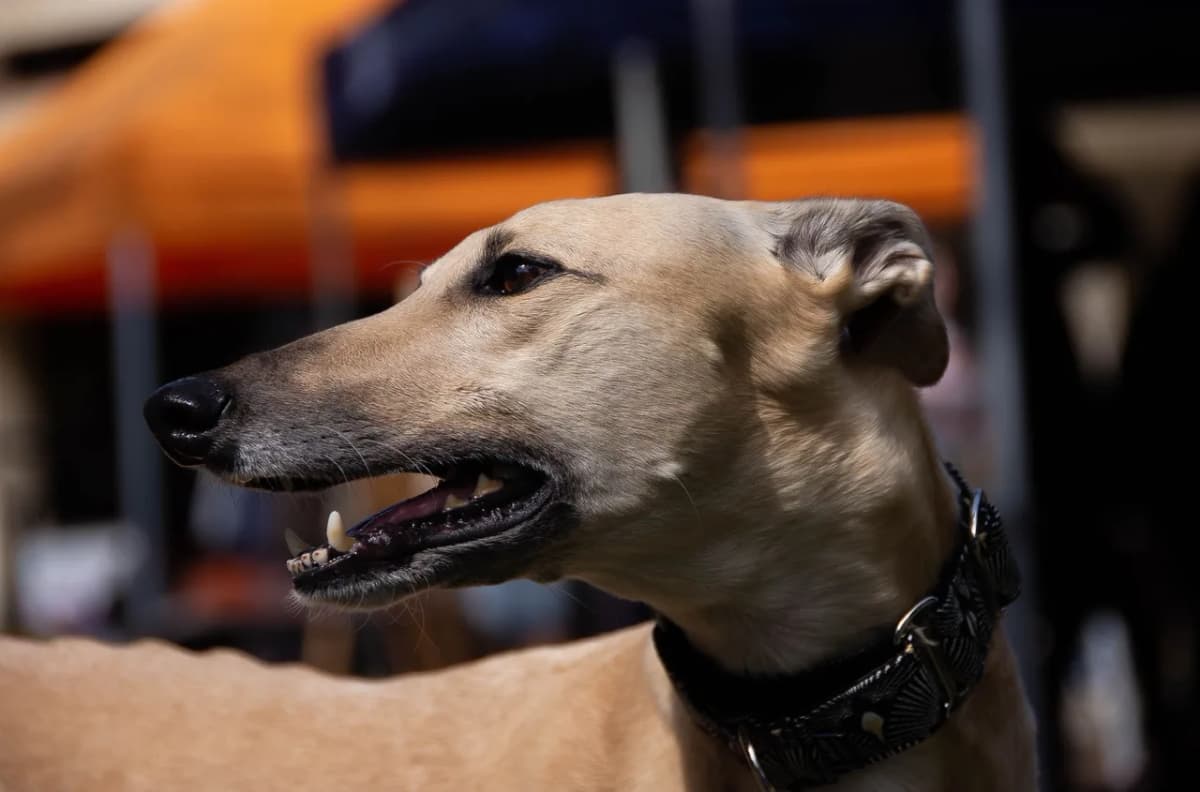
The Sloughi is Morocco's sighthound, a recognized native breed, reserved and deeply bonded to its family. Elegant and fast, it has a strong prey drive and a particular drug sensitivity to flag to the vet. A living heritage, too little known at home.
The Arabian sighthound: reserved, sensitive, deeply bonded to its family, with a strong prey drive. An ancient elegance, part of the country's heritage.
Heat (Morocco)
Watch the heat
First pet
Experienced owners
Availability
Market / breeders
Know this first
Like all sighthounds, it is sensitive to anaesthesia and some drugs (very low body fat): always tell the vet it is a sighthound. Under-appreciated at home, though it deserves to be known.
For you if
- An experienced, calm owner
- Anyone who can offer runs in a secure space
- Anyone who values a native Moroccan breed
Think twice if
- A first-time owner
- A home with small animals (prey drive)
Care essentials
- Flag 'sighthound' to any vet (anaesthesia)
- Runs in a fenced, secure space
- Soft bedding (low body fat)
- A close bond; it handles indifference poorly
Sloughi and Saluki: they are not the same dog
This is the most widespread confusion, including in Moroccan listings. The Sloughi is the sighthound of the Maghreb, recognised as its own breed. The Saluki, often called the Persian greyhound, comes from the Middle East and is a different breed. The Azawakh, the Sahelian sighthound, is a third one again.
The simplest marker is the coat. The Sloughi is short-coated all over, with no feathering. Many Salukis carry feathering on the ears and tail. The Sloughi reads as spare and dry, without ornament.
Why it matters in practice: if someone sells you a "Moroccan Saluki", the term is already contradictory. Ask for the documents and look at the dog, not the label.
Drug sensitivity: the point that actually matters
If there is one thing to retain before taking in a Sloughi, this is it. Like all sighthounds, it carries very little body fat and has a different composition from a dog of the same weight. That changes how its body handles some drugs, anaesthetics above all.
The practical consequence is simple and non-negotiable: tell any vet "this is a sighthound", every time, before any anaesthesia or sedation, even for something routine like dental scaling. A vet used to sighthounds will adjust the protocol.
Two more points tied to the same build: it handles cold and damp poorly despite its origins, and it needs thick bedding, because a dog with no natural padding quickly develops calluses at its pressure points.
Living with a Sloughi in Morocco
The Sloughi is a calm dog at home, often far more settled than its athletic outline suggests. It sleeps a great deal, bonds deeply with its household, and stays reserved, sometimes distant, with strangers. That is not fear, it is temperament.
What it genuinely needs is to run safely. A sighthound needs sprints in an enclosed space, not just long walks on a lead. And its prey drive is real: a cat bolting or a small animal triggers a fast reaction, which makes recall unreliable in open ground.
A Moroccan paradox: it is a native breed, suited to the climate, and yet little sought after at home, where imported breeds draw more attention. Adopting a Sloughi here is a choice that fits the country, provided you have the space and experience the dog demands.
Is a Sloughi right for you?
Temperament is not everything: your space, your time, and the climate matter as much. Let us see if your life fits.
Common questions
Why warn the vet?
Sighthounds metabolize some anaesthetics and drugs differently, with very low body fat. Flagging it prevents accidents.
Sighthound drug sensitivity: veterinary literature (digest). FCI native-breed status.