Native to Morocco
Aidiأيدي
Origin: Atlas Mountains, Morocco
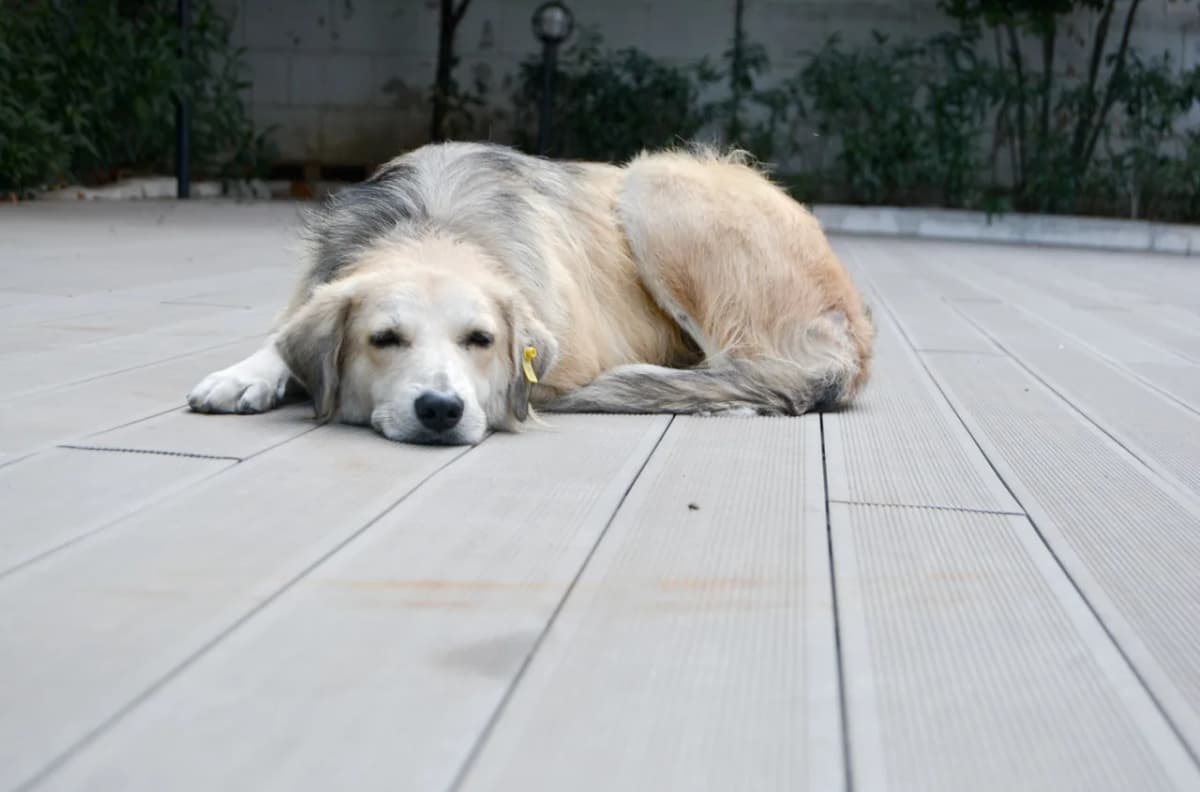
The Aidi is the Atlas Mountain dog, a brave, territorial flock guardian. A recognized native breed, it needs space, a role, and an experienced hand: it is no living-room dog. Knowing it also helps preserve a declining heritage.
The Atlas Mountain dog: energetic, brave, highly protective, territorial. A flock guardian, not an apartment dog.
Heat (Morocco)
Handles heat well
First pet
Experienced owners
Availability
Market / breeders
Know this first
Its calling is guarding and open space. It is declining as pastoralism recedes: making it known is part of helping preserve it.
For you if
- A house with large grounds, a guarding role
- An experienced, present owner
Think twice if
- A flat, a first dog
- Anyone wanting a dog friendly with all strangers
Care essentials
- Large outdoor space and a role
- Early socialization and firm structure
- Substantial daily exercise
- Training by an experienced owner
Aidi, Atlas Mountain Dog, chien de l'Atlas: the same dog
You will meet this dog under several names, and it causes constant confusion. "Aidi" is the Moroccan name. "Atlas Mountain Dog" and "chien de l'Atlas" are the descriptive translations used in English and French. You will also see "Atlas Shepherd Dog", and the spelling "Aïdi".
One thing worth correcting straight away: the Aidi has long been called a "shepherd", which misleads. It is not a herding dog that gathers a flock the way a border collie does. It is a GUARDIAN, living with the flock and deterring intruders.
That distinction is not academic, it changes everything you can expect from him. You do not ask a guardian to obey a distant command instantly; you ask him to read a situation alone and decide. That is precisely what centuries of selection built.
The Aidi and Sloughi pairing, a Moroccan tradition
Morocco has two recognised native dog breeds, and they long worked together rather than in competition. In traditional hunting, the Aidi located and flushed game with its nose and vigilance; the Sloughi, a fast sighthound, took over the chase.
That division of labour says a lot about both dogs. The Aidi is not a sprinter: it is enduring, sturdy, built to hold a post and handle the mountains. The Sloughi is not a guardian: it is built for acceleration.
The third Moroccan dog, the beldi, is not a breed but the local population, the one you meet in the street and in shelters. Aidi, Sloughi, beldi: three different realities that get blurred together constantly.
Why it is becoming rare, and what that implies
The Aidi is declining for a simple reason: it was shaped by a way of life that is receding. Less pastoralism and less transhumance means fewer jobs for a dog whose entire purpose was guarding a flock in the mountains.
That creates an uncomfortable paradox. Saving it means finding it homes, yet an Aidi placed in an urban flat is an unhappy and potentially difficult dog: territorial, wary of strangers, noisy when bored. Placing it anywhere at all would do it no favours.
So our position is plain: make the Aidi known, admire it, support the people preserving it, but only take one if you genuinely have the space, a role to give it and the experience. For the large majority of Moroccan homes, the right native dog is the beldi, not the Aidi.
Is a Aidi right for you?
Temperament is not everything: your space, your time, and the climate matter as much. Let us see if your life fits.
Common questions
Can it live in the city?
With difficulty. It is a flock guardian that needs space and a role. In the city without that, it grows bored and frustrated.
VetCompass baseline (digest); FCI native-breed status (1963).