Native to Morocco
Beldi
Origin: Morocco
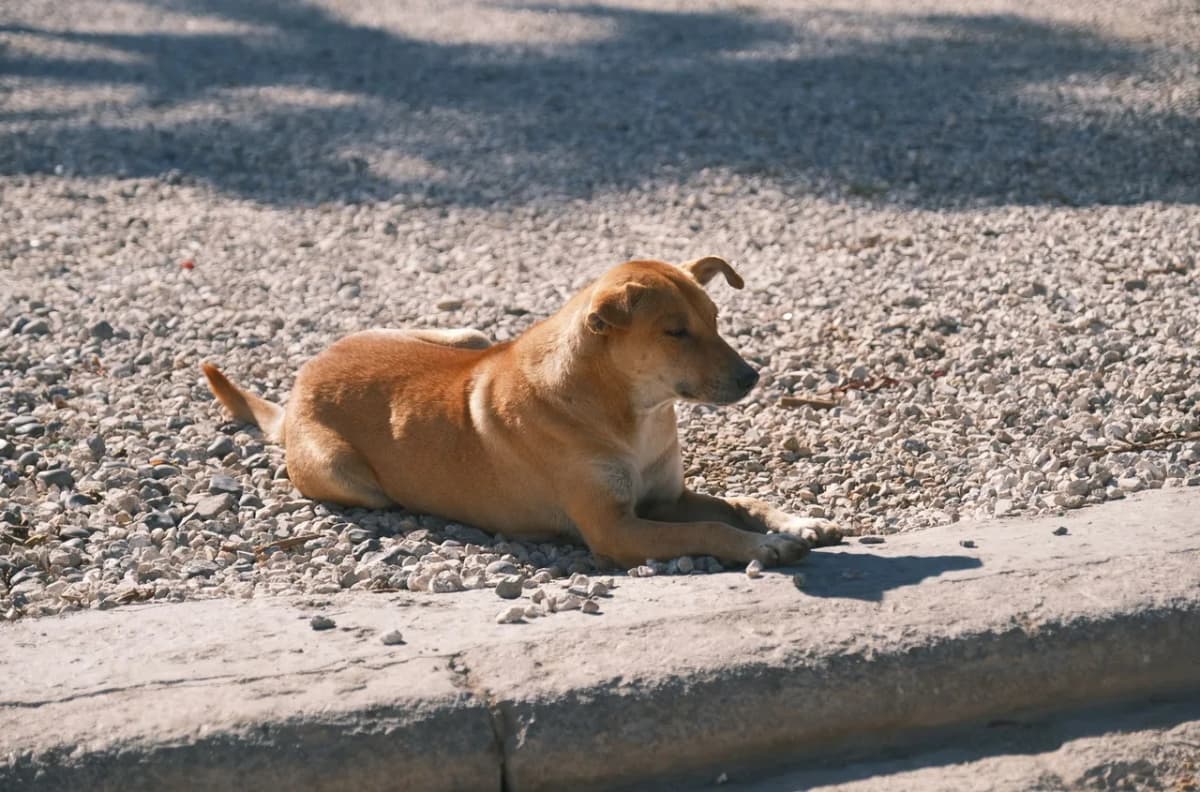
The beldi is Morocco's common dog, born of the streets more than of breeding. Each one has its own character: you assess the dog, not a label. Hardy, climate-adapted, it escapes the diseases of closed breeds and is adopted through shelters. Often the truest choice.
Morocco's street dog. Deeply individual: you do not adopt a breed, you meet a dog. Many are loyal and adaptable.
Heat (Morocco)
Handles heat well
First pet
Depends on the home
Availability
Adoption (shelters)
Know this first
By escaping closed lineages, it avoids the breed-specific diseases of many purebreds. Adopt through shelters (SARA, Beldi Dog Rescue, SPANA). This is the dog Pettopia puts first.
For you if
- Anyone who wants to adopt and save a dog
- A hot climate, which it handles naturally
- Anyone who judges a dog by character, not looks
Think twice if
- Anyone wanting a size or temperament guaranteed in advance
- Anyone with no time to get acquainted first
Care essentials
- Meet and assess before adopting
- Vaccines, sterilization, deworming on arrival
- Outings and socialization suited to the individual
- A trusted vet
The beldi is not a breed, and that is the key
Beldi comes from the Arabic بلدي, "of the country". The word describes the local Moroccan dog: a population shaped by life here, not a registered breed with a standard and a pedigree. No international kennel club recognises the beldi, and there is nothing wrong with that.
In practice, two beldis may look nothing alike. You will meet fine sighthound-ish silhouettes, more compact builds, ears up or ears down. What recurs: medium size, a short coat, a lean frame and remarkable stamina.
Morocco does have two genuinely recognised breeds, the Sloughi and the Aidi. The beldi is neither, even if it sometimes shares their blood.
A dog built by the terrain
The beldi is the product of natural selection, not of an aesthetic choice. The individuals that passed on their genes were the ones that tolerated heat, walked far, digested irregular food and read humans correctly. That produces an efficient, agile dog that is rarely fragile.
Its short coat and medium build make it far more comfortable in summer than a dense-coated northern dog, whose presence in Morocco raises real welfare questions. It still needs shade, water and walks in the cooler hours: adapted does not mean immune.
On health, it does not carry the fixed faults of some show lines. It remains exposed to what affects every dog here, particularly parasites and leishmaniasis, which is endemic in several regions.
Adopting a beldi: what genuinely changes
The beldi is by far the most common dog in Moroccan shelters. Adopting therefore almost always means adopting a beldi or a beldi cross. It is also the most honest option financially: the contribution asked stays modest and usually covers sterilisation and vaccines.
The real question is not the breed but the history. A dog born outdoors and socialised late will need patience, a calm space and a gradual build-up of trust. A puppy placed early with a foster family starts much faster.
Since 2026, law 19.25 adds a concrete step: your dog must be declared, must permanently carry its identification number and have a health record, and a change of owner must be declared within 24 hours. So ask the shelter two things: is it already identified, and are you leaving with its record?
Is a Beldi right for you?
Temperament is not everything: your space, your time, and the climate matter as much. Let us see if your life fits.
Common questions
Can a beldi live in a flat?
Often yes, depending on the individual: some are calm, others very active. That is why meeting before adoption matters so much.
Mixed-dog health: veterinary literature (digest). Shelters and Moroccan context noted in 2026.