Persian Cat in Morocco: 2026 Prices, Coat Care and Heat Advice
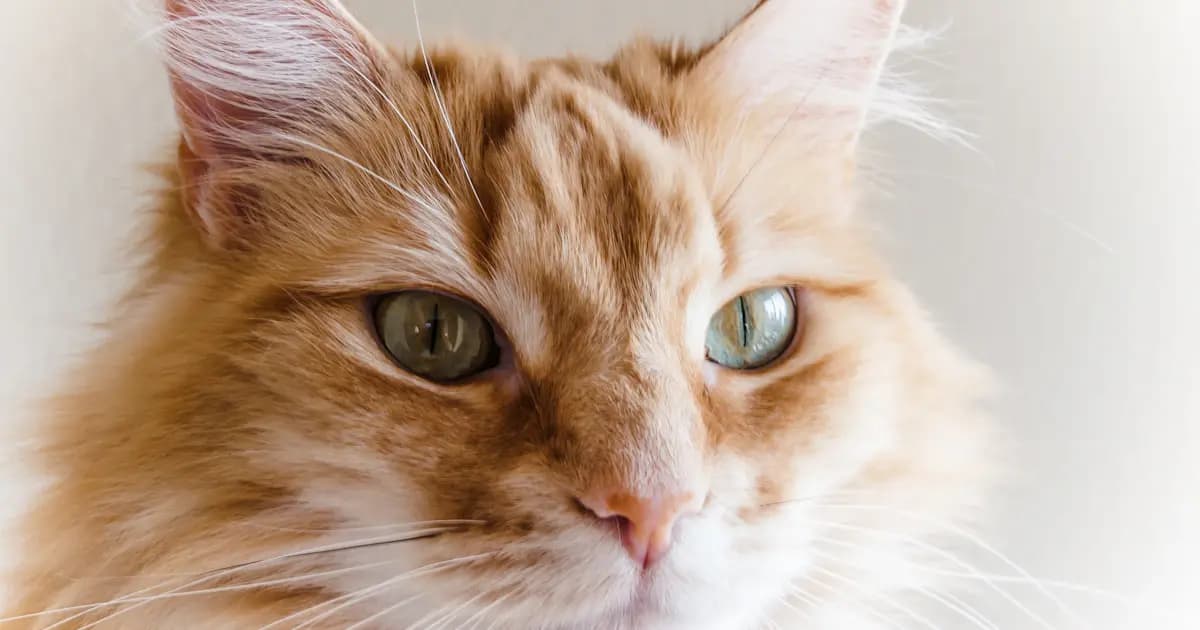
At 3pm in Marrakech, a Persian is usually looking for the coolest tile in the house.
The Persian is a long-haired, calm, brachycephalic pedigree cat, known for its flat face, dense coat and high maintenance needs. When you search for Persian cat prices in Morocco, you have to look past the listing, because heat, coat care and health are what actually set the budget.
Plenty of listings look appealing. Then the coat, the eyes and the Moroccan heat change the equation quickly.
What is a Persian cat?
The Persian descends from old long-haired lines popularised in Europe from the seventeenth century. You recognise it by its round build, abundant coat and settled temperament. It is an indoor cat that likes quiet and routine.
In Morocco you will often see it called a Shirazi cat, after Shiraz in Persia. In local listings, "Shirazi" and "Persian" describe the same type of cat in practice, sometimes with more or less crossing. If you are looking for a Persian here, search both words.
Its upkeep is genuinely heavy.
| Trait | What to know |
|---|---|
| Origin | Old long-haired lines, popularised from Persia and Europe |
| Size | 3 to 5.5 kg on average |
| Coat | Long, dense, with a substantial undercoat |
| Head | Flattened face, more or less pronounced by line |
| Temperament | Gentle, calm, homebound, undemonstrative but attached to its habits |
| Maintenance | Very high, daily brushing close to mandatory |
| Heat tolerance | Moderate to low, especially with a very flat face |
In Morocco the Persian appeals for its refined look and quiet character. It lives well in an apartment if air circulates and you accept managing coat, eyes and mats all year.
The varieties most sought after in Morocco
People searching Persian prices are not all looking for the same cat. Colour, age and the seller's reputation move the listing. The most requested variants in Morocco stay the white, the chinchilla, and the cream or grey-and-white bicolours.
| Variety | Range often seen in Morocco | What pushes the price up |
|---|---|---|
| Standard Persian | 800 to 2,500 MAD | Young kitten, vaccines, city, coat condition |
| White Persian | 1,200 to 3,500 MAD | Clean coat, light eyes, visible upkeep |
| Chinchilla Persian | 2,000 to 4,500 MAD | Sought-after colour, rarer lines, careful photos |
| Persian with claimed pedigree | 3,500 to 6,000 MAD | Documents, parents visible, health follow-up |
These figures match what is observed on Avito.ma, with a broad base around 800 to 6,000 MAD. You will also see outliers at 1 MAD, 15 MAD or "price unspecified". In real life those listings usually exist to attract messages, not to state a real figure.
The real starting budget
The purchase price is only the entry ticket. For the first days, add:
- 150 to 250 MAD for a check-up consultation
- 250 to 300 MAD if vaccines or a booster are due
- 70 to 200 MAD for a brush, a metal comb and compresses
- 100 to 300 MAD a month for routine coat and eye upkeep
In other words, a Persian at 1,200 MAD can quickly represent 2,000 MAD or more.
Caring for a Persian in Morocco
Persian upkeep here does not resemble that of a short-haired European cat. A mat is not a detail, it is the start of the problem. Under heat, dust, slight skin moisture and damp areas around the eyes, the coat clumps fast.
The big subject: Moroccan heat and a long coat
This gets minimised too often. Between June and September several Moroccan cities reach 35 to 45 degrees. A Persian copes badly with those peaks if its face is very flat, if air does not circulate, or if the coat holds clumps close to the skin.
The useful basics:
- keep several bowls of fresh water, changed two to three times a day
- close the balcony or terrace during the hottest hours
- favour cool tiled rooms and steady shade
- use ventilation or air conditioning if your home overheats
- avoid shaving close without veterinary advice, a targeted hygienic trim is often better
An overheating Persian quickly becomes less active. It lies fully stretched out, eats less, breathes faster and seeks cold floors. If you see panting, weakness or noisy breathing, this is no longer about comfort. It is a veterinary matter.
Daily brushing, genuinely
For a Persian, daily brushing is the baseline. Five to ten minutes a day beats an hour of detangling at the weekend. Work behind the ears, under the forelegs, on the belly and around the hindquarters.
The right pair stays simple: a soft brush, then a metal comb. If the comb catches everywhere, the routine is already too spaced out.
The eyes need real follow-up
Eye discharge is common in Persians. The flat face reduces natural drainage. You end up cleaning the corners of the eyes almost daily, sometimes morning and evening in hot weather. Use a clean compress, a gentle motion, and a clean side per eye.
Brownish staining is common. Marked redness, pain, an eye held shut, or very thick discharge should send you to a vet. Here again, a hot dusty climate does not help.
Feeding and the Moroccan climate
A Persian sometimes drinks less than you would expect. In summer, think moisture and coolness. Suitable wet food, offered then removed if it sits out, can help some cats hydrate better. Dry food must stay dry and away from heat.
Avoid bowls in full sun and heavy meals during the hottest hours. A Persian eating less during a heatwave needs close watching. If it refuses to drink, becomes listless, or pants, the vet visit should not wait.
For a wider view of the hot season, read our article on pet care in Moroccan summers.
Persian health: what every Moroccan owner should know
The Persian is not fragile as a rule. But some lines stack known risks. The flatter the face, the more the breathing, eyes and teeth need vigilance.
The most frequent health problems
- Inherited polycystic kidney disease, often shortened to PKD, remains a major point in the breed. Serious screening is worth more than a beautiful photo.
- Difficult breathing: very brachycephalic Persians tolerate heat and exertion less well.
- Weeping eyes: frequent, sometimes chronic, worsened by dust and irritation.
- Dental problems: tooth alignment can be poorer, which encourages tartar and inflammation.
Two references come up repeatedly: the Sieslack et al. study in PLOS ONE on Persian brachycephaly (DOI) and work from the Royal Veterinary College. The conclusion is the same: the further the visual extreme is pushed, the more respiratory, ocular and oral comfort can fall.
Useful vaccination in Morocco
The exact schedule depends on age, lifestyle and your vet. In practice, this is the baseline most often seen:
| Timing | Common step | Indicative budget in Morocco |
|---|---|---|
| 8 to 9 weeks | First FVRCP injection | 250 MAD |
| 12 weeks | FVRCP booster | 250 MAD |
| 12 to 16 weeks | FVRCP plus rabies if indicated | 300 MAD |
| Every year | Annual booster | 250 to 300 MAD |
The rabies vaccine is not systematic for every indoor cat. It matters mainly if the cat goes out, travels, or lives with other animals.
Veterinary ranges to keep in mind
| Procedure | Common range |
|---|---|
| Feline consultation | 150 to 250 MAD |
| Emergency | 300 MAD |
| Night consultation | 500 MAD |
| Blood test | 250 MAD |
| Abdominal ultrasound | 300 MAD |
| Cat dental scaling | 500 MAD |
These markers help you read a listing clearly. A cheaply advertised Persian can become expensive fast if breathing is poor, if the eyes weep constantly, or if the coat already hides bad hygiene.
The right reflex before saying yes
Ask for videos of the cat moving. Watch whether it breathes with its mouth closed, whether the eyes are clean, whether the nose is clear, and whether the coat falls freely without matted plaques. If possible, have the cat examined soon after arrival. That is where the real level of care shows.
This content does not replace a veterinary diagnosis.
Is the Persian right for you?
The Persian is superb. It is also demanding. If you like calm routines and precise care, it can suit you well. If you want a simple, undemanding cat, it will wear you out.
Before deciding, it is worth checking honestly what your home, your climate and your time can actually offer. Our matching tool weighs exactly that and gives you a straight answer, including when the answer is another animal.
If you are comparing costs across breeds, see our guide to the price of a cat in Morocco, and our roundup of popular cat breeds in Morocco.