Home Pet Grooming in Morocco: A Practical Guide for 2026
The towel is warm from the dryer, the bathroom floor is already damp, and your pet knows something is coming. The dog watches the brush. The cat studies the exit. In many Moroccan homes, home grooming starts with that quiet moment of negotiation. Between dust, heat, terrace living, and rough traffic, grooming at home often feels gentler than taking a tired pet across town.
Home pet grooming means the routine care you handle yourself: brushing, bathing, drying, nail trims, ear checks, eye cleaning, and coat maintenance. Done well, it keeps the coat cleaner, lowers stress, and helps you notice small changes earlier. That last part matters more than many owners expect.
Your pet does not experience grooming as a beauty ritual. They experience temperature, touch, sound, smell, and predictability. That is why a calm setup matters as much as technique.
Why home grooming is becoming more popular with pet owners in Morocco
More Moroccan owners are choosing home grooming because daily life is already full. A round trip through city traffic can exhaust a dog before the bath even starts. For a cat, the carrier and the car ride may be the hardest part.
Home care removes that extra pressure. Your dog stays in a familiar room. Your cat avoids the smell of other animals. You keep control of the timing, the pace, and the number of breaks.
Moroccan weather also plays a role. Heat dries out some coats. Dust sticks to natural oils. Sand gets trapped around paws, bellies, and lower legs. Even indoor pets pick up a tired coat when windows stay open or terrace dust moves through the home.
There is another reason people stick with home grooming once they start. It teaches you to notice detail. A mat behind the ear. A rough paw pad. A watery eye. A patch of coat your pet no longer likes you to touch. Those small clues often appear before a larger problem does.
The essential tools to gather before you start
You do not need a complicated station with ten different gadgets. You need clean, sensible tools, and a space that helps your pet stay steady.
Set up the room before you bring your pet in. Use a non-slip surface, good light, and towels within reach. If you step away to hunt for a comb halfway through the bath, the mood usually falls apart.
For dogs
A dog grooming kit should start with a coat-appropriate brush, a metal comb, a mild dog shampoo, thick towels, and a dependable nail trimmer. If your dog has a dense coat, add a slicker brush or undercoat tool. If noise is a problem, use the quietest dryer setting possible.
A rubber bath mat helps more than owners expect. Dogs get tense when they lose footing. Once that happens, even a short bath can feel like a fight.
Keep clean gauze nearby for the eyes and visible ear area. A small bowl of lukewarm water also helps when you want to clean a delicate area without spraying. If you are not experienced, skip scissors near the skin.
For cats
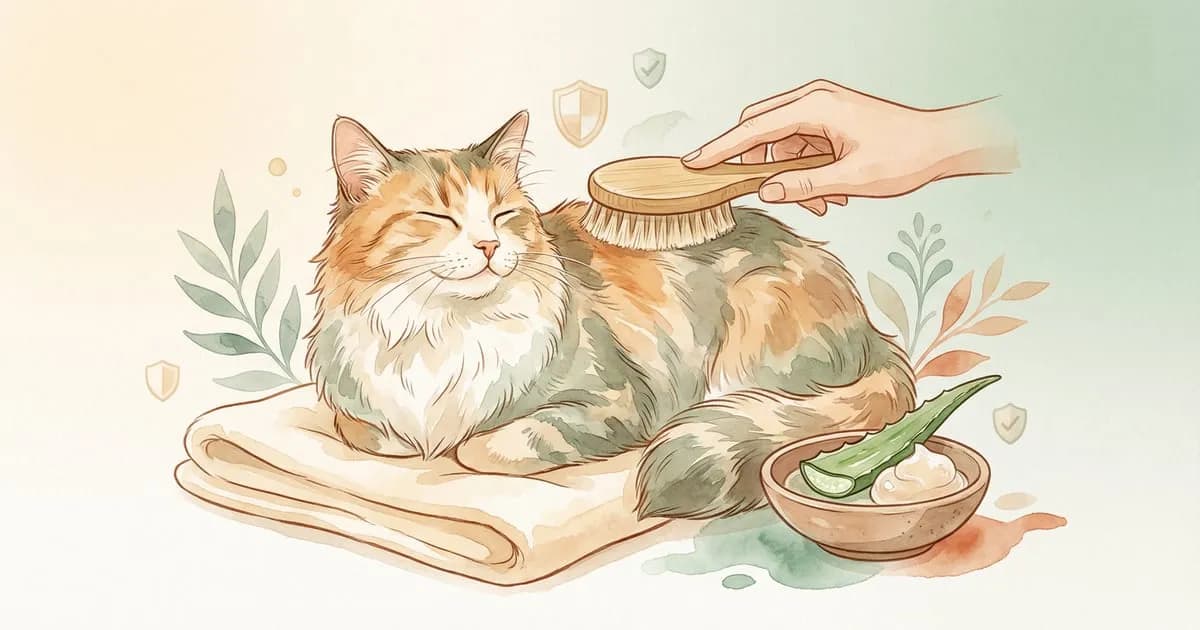
Cats usually need less equipment and more restraint from you. A soft brush, a metal comb with fine and wide teeth, a cat nail trimmer, clean gauze, and a thick towel cover most home sessions.
The environment matters even more for cats than the tool itself. A quiet room, a short session, and a predictable order make a bigger difference than fancy gear. If your cat is food motivated, keep a small reward for after the session, not during the stressful part.
Avoid strong fragrance, human shampoo, and deep ear cleaning. Cats react fast to smell and texture. Once they dislike the setup, they remember.
Step by step: how to groom your pet well at home
The right order keeps the session shorter and calmer. It also helps you stop before your pet gets overwhelmed.
The bath
Brush before water touches the coat. Wet knots tighten. Dry brushing first saves time and prevents a lot of pulling later.
Use lukewarm water. Not hot. Not a dramatic cold rinse. In warm weather, cold water can still feel like a shock. Your goal is comfort, not surprise.
Wet the body gradually. Start away from the face. Use a small amount of shampoo and work it through with slow hands. Dogs usually need extra attention on the paws, belly, rear, and lower legs. Cats only need a bath when the coat is genuinely dirty, greasy, sticky, or hard for them to clean alone.
Rinse longer than you think you need to. Residue is one of the most common reasons a coat feels dull or itchy after a bath. When owners blame the shampoo, the real problem is often poor rinsing.
Drying matters just as much as washing. Towel first. Then dry thoroughly, especially under the collar, under the front legs, around the rear, and in thick coat areas. Coastal humidity can slow the process. Dry inland air can fool you into thinking the coat is finished when it is still damp near the skin.
Brushing and detangling
Brushing is not cosmetic fluff. It removes loose hair, spreads natural oils, and gives you a chance to feel what your eyes miss. A small knot is easier to fix today than next week.
Start with the easy areas. Back, sides, neck. Save the sensitive zones for later. Mats often hide behind the ears, under the front legs, along the belly, and near the tail.
If the comb catches, slow down. Use your fingers first. Separate a mat little by little. Do not yank. One hard pull can make the next ten sessions harder, especially with cats and sensitive dogs.
Short, steady sessions usually work better than occasional rescue missions. Five calm minutes every few days can do more than one heroic hour every month.
Ears, eyes, and nails
Treat ears as a check, not a digging project. Clean only the visible area with soft gauze. If there is a strong smell, obvious pain, or repeated head shaking, stop there.
Use the same quiet approach around the eyes. One clean piece of gauze per eye if needed. Flat-faced cats and light-coated dogs often need a little more routine care in that area.
Trim only a small amount from each nail. Dark nails need extra caution. If your pet pulls away, stiffens, or starts breathing fast, pause and try again later. A stressful nail trim is rarely worth forcing.
Take a moment to inspect paw pads, the spaces between the toes, and the rear area. Those are often the places where dust, moisture, and hidden discomfort build up first.
Common mistakes, and how to avoid them
The first mistake is starting unprepared. The shampoo is still closed. The towel is in another room. The comb is missing. Your pet feels your uncertainty right away.
The second is trying to do every task in one marathon. Bath, full dry, long dematting session, nails, eye cleaning, ear cleaning. That sounds efficient. For many pets, it is simply too much. Splitting the work is often smarter.
The third is choosing products by trend instead of coat type. A popular brush can still be wrong for your pet. A nicely scented product can still irritate the skin.
The fourth is forcing restraint too early. Holding harder may stop movement, but it does not create trust. Many owners finish the session and then wonder why the next one starts badly.
The fifth is underestimating drying time. Damp fur trapped under a harness, under a collar, or inside a dense coat creates its own trouble later.
Another common mistake comes from copying online grooming videos without context. Coat type matters. Age matters. Temperament matters. What works beautifully on one calm dog may be a terrible idea for a nervous cat.
When should you call a mobile groomer?
Sometimes the kindest choice is to stop doing it alone. A tightly matted coat, unsafe nails, a cat that panics at a comb, or a dog that cannot tolerate drying are all good reasons.
Mobile groomers can be especially helpful for senior pets, anxious pets, and homes with more than one animal. The pet stays closer to familiar sights and sounds. You also get to observe the handling style more directly.
Still, not every mobile groomer offers the same level of care. Ask how long they have groomed dogs or cats. Ask which coat types they handle most often, and how they adjust for a pet that becomes stressed halfway through.
Ask practical questions too. Are the tools cleaned between visits? Is full drying included? What happens if they find a mat close to the skin? Will they stop a nail trim if the pet becomes too upset? Clear answers matter.
A good mobile groomer usually arrives with a plan. The setup feels organized. The handling looks steady. The questions cover age, coat condition, noise sensitivity, past reactions, and any difficult body areas.
Be careful with easy perfection. If someone promises that every pet is simple, every coat can be finished fast, and no behavior causes trouble, that promise should make you cautious.
What grooming reveals about your pet
A grooming session shows you much more than coat condition. It shows how your pet handles change, touch, sound, and anticipation. Some animals need to inspect the brush before they accept it. Some do better when the routine happens in the same corner every time. Some tolerate the towel but dislike moving air. Others relax as soon as your voice stays low and steady.
That is where personality starts to matter. Not as a rigid label, but as a useful pattern. A very sensitive pet reacts to sound first. A curious one needs time to investigate. A more independent temperament may only accept brief handling. A routine-driven animal often settles when the sequence never changes.
Once you notice those patterns, the session shifts. You stop copying someone else's method. You build one that fits the animal in front of you. Grooming becomes less about control, and more about reading signals well.
That same idea sits at the heart of the Pettopia personality test. The more clearly you understand temperament, the easier everyday care becomes. Small habits make sense. Resistance makes sense. Even patience makes more sense.
Not sure which companion is right for you yet? Find the one that fits your life →